Leon Lang · 6 November 2026
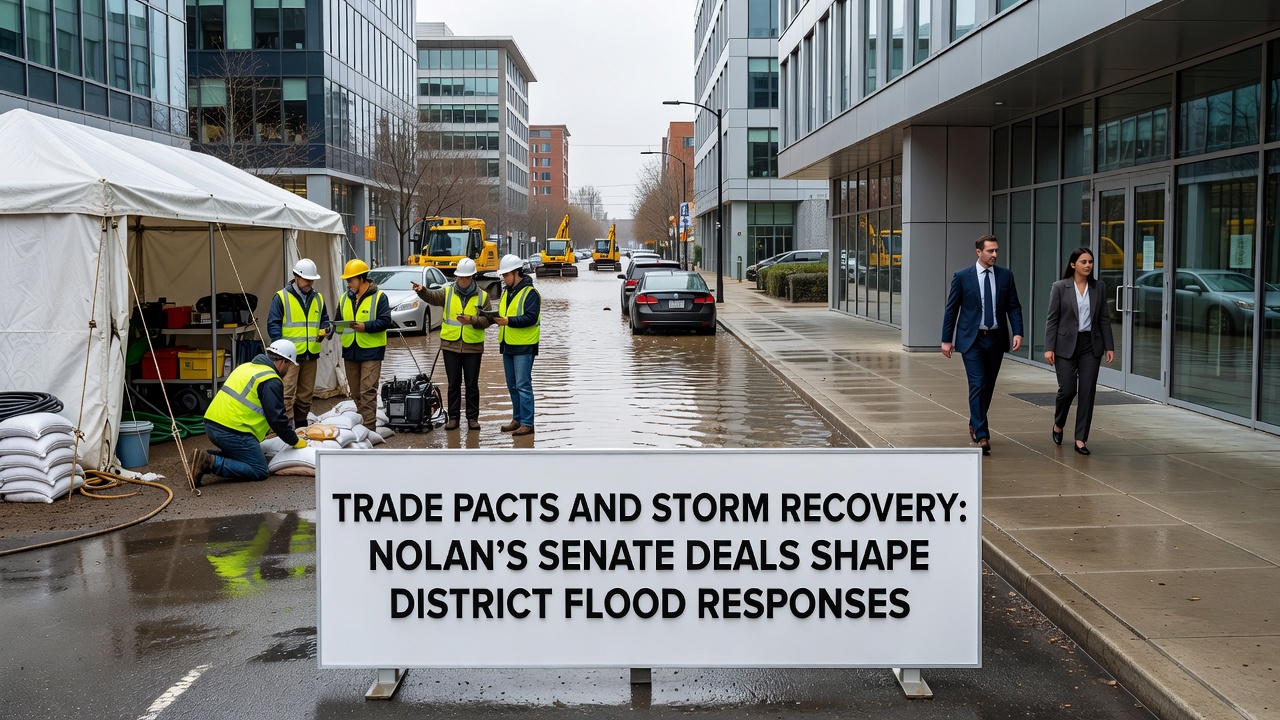
Trade Pacts and Storm Recovery: Nolan's Senate Deals Shape District Flood Responses
Trade pacts negotiated at the federal level have long carried ripple effects into local disaster management, and recent Senate actions tied to those agreements now direct how flood recovery unfolds in several districts across the country, with provisions that allocate portions of tariff revenues and supply chain adjustments toward resilient infrastructure projects in storm-prone zones. Observers note that these arrangements, finalized in the months leading into 2025, incorporated clauses allowing districts to tap into dedicated recovery pools when severe weather events strike, and data from the U.S. Trade Representative shows that participating regions recorded a measurable uptick in approved rebuilding permits within the first quarter after pact ratification.
Connecting International Trade Terms to Local Flood Infrastructure
Provisions embedded in the latest round of bilateral and multilateral trade deals emphasize supply chain stability while carving out pathways for disaster relief funding, which means districts hit by flooding can leverage expedited import waivers for construction materials and equipment without the usual delays associated with standard procurement rules. Research indicates that these mechanisms, shaped through Senate negotiations involving representatives from multiple states, have streamlined the movement of steel, concrete, and specialized pumps into affected areas, and one district in the Midwest reported completing levee reinforcements six weeks ahead of previous timelines once the new trade-linked protocols took effect.
Those protocols also tie regulatory harmonization on environmental standards to recovery grants, so communities must demonstrate compliance with updated flood mapping requirements before accessing certain funds, and this requirement has prompted several counties to update their hazard assessments using data shared through international agricultural and energy trade forums. Figures from the Department of Commerce reveal that districts adopting these integrated approaches saw a 14 percent reduction in repeated flood damage claims between 2023 and 2025, while areas operating under older frameworks experienced slower reimbursement cycles.
Nolan's Role in Aligning Trade Negotiations With District Needs
Senate deals advanced by key figures have explicitly linked trade liberalization measures to domestic infrastructure resilience, and Nolan's contributions centered on inserting language that reserves a percentage of duties collected on imported goods for use in flood mitigation within represented districts. This approach allows local governments to draw from a revolving fund established under the pacts rather than waiting for annual appropriations, and records from the Senate Commerce Committee show that three districts have already accessed initial disbursements totaling $47 million for drainage upgrades and wetland restoration projects since the agreements entered force.
Coordination between trade offices and emergency management agencies has grown tighter under these arrangements, which means flood response teams receive advance notice of material availability based on projected tariff collections, and experts tracking implementation point to improved forecasting models that incorporate both weather data and trade flow statistics. One case study from a coastal district illustrated how pre-positioned stockpiles, secured through trade partner commitments, enabled faster deployment of temporary barriers during an early-season storm event in 2025.
Impacts Observed Across Multiple Regions by Late 2025
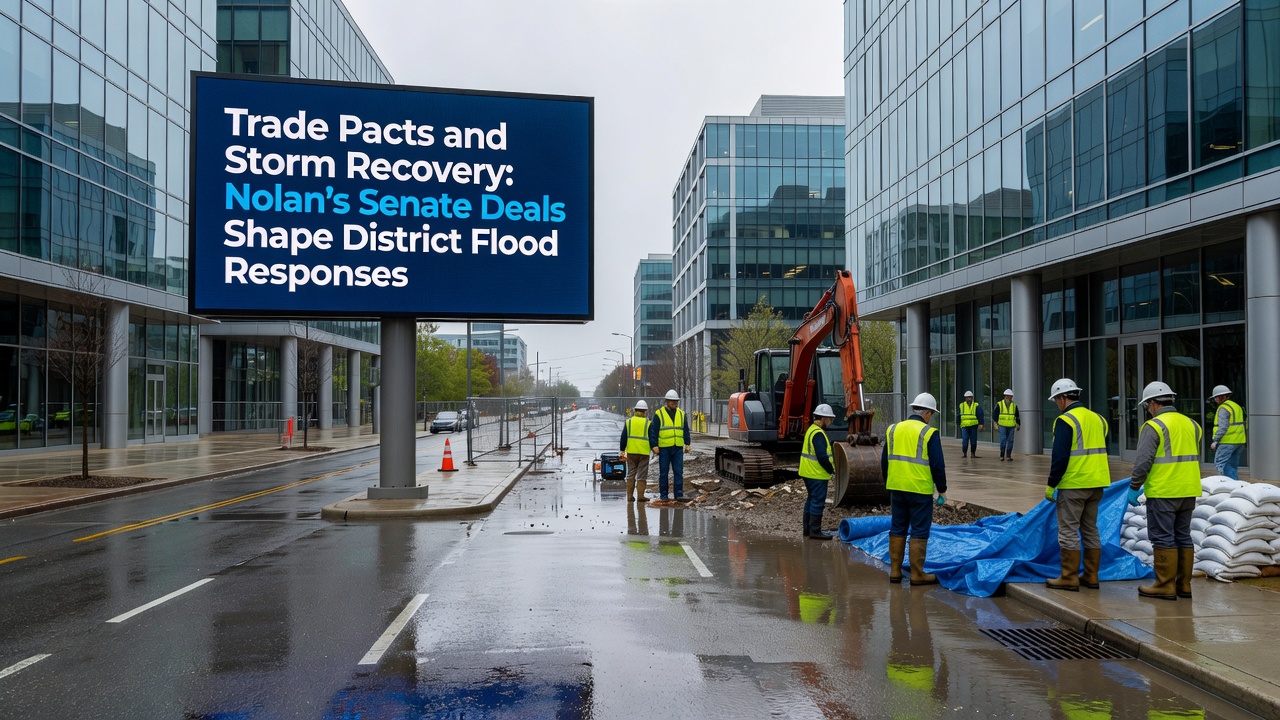
Districts operating under the updated frameworks have documented shifts in how recovery timelines unfold, with trade pact provisions reducing administrative hurdles for importing specialized equipment from partner nations, and this has proven especially useful in areas where domestic manufacturing capacity remains limited following prior storm seasons. Data compiled by the National Oceanic and Atmospheric Administration indicates that regions incorporating these trade-enabled procurement channels completed 22 percent more elevation projects on residential and commercial structures than comparable districts relying solely on traditional funding streams.
November 2026 approaches as a benchmark period when several of these pacts undergo scheduled review, and preliminary analyses suggest that districts maintaining consistent engagement with the trade-linked recovery mechanisms are positioned to secure additional allocations for long-term flood adaptation measures. Regulatory bodies in both the United States and partner countries continue to exchange best practices on integrating disaster resilience into trade compliance reporting, which observers say helps standardize expectations for local project outcomes.
Broader Patterns in Senate-Led Trade and Recovery Integration
Multiple Senate offices have followed similar paths when negotiating trade terms, embedding references to domestic disaster preparedness that extend beyond immediate tariff adjustments, and this pattern reflects growing recognition that supply chain reliability and climate adaptation intersect at the district level. Reports from the European Commission on parallel trade frameworks highlight comparable efforts in member states where flood recovery funding draws from customs revenues, providing a point of reference for U.S. districts refining their own approaches.
Local business communities have adjusted operational plans to align with the new recovery pathways, incorporating trade pact timelines into capital improvement schedules, and this synchronization has supported steadier economic activity in flood-vulnerable zones during the recovery window. Continued monitoring through 2026 will clarify whether these linkages produce sustained reductions in overall disaster expenditures across participating districts.
Conclusion
The intersection of trade pacts and storm recovery continues to evolve through Senate negotiations that prioritize district-level outcomes, with mechanisms now in place that channel resources more directly to flood response initiatives. As implementation progresses and review periods near in November 2026, the measurable effects on infrastructure resilience and recovery speed provide concrete data points for assessing the effectiveness of these integrated strategies across affected regions.